
On October 10, the World Mental Health Day is observed every year. With a whole host of days marked to be observed on the calendar, most of these ‘special days’ go unnoticed. Unless it is something you need to remember for an aptitude test. I also am guilty of the same.

This year though the day has a significance for me. My university organised an event on the occasion. I was a part of the volunteer team. We created the audio visual that was part of the event apart from the panel discussion on mental health in India. The core focus was on how educational institutions can contribute in creating awareness on the issue.
While that was a personal achievement to remember, it is mental health that is the topic of discussion. Stereotypes and stigma attached to mental illness has made conversations about mental illness uncomfortable conversations. Considering people to be loony if they are diagnosed clinically with a mental health condition is the biggest barrier.
In the past, any human behaviour that was not normative and perplexed the society at large was acknowledged as abnormal. Persons displaying such traits and behavioural habits were judged to be mentally unfit. And people diagnosed or deemed to be mentally ill as per the convention of society were isolated and ostracised.
The prevalent attitude was reflected in how the patients were treated. The infamous ‘shock therapy’ is a topic that still up for discussion. While it has been discontinued as the primary treatment, it is still used a method of therapy and treatment. With a change in nomenclature, it goes by the name of electroconvulsive therapy (ECT).

The lack of empathy and awareness left a trail of lonely and harsh existence for a lot of people. Homosexuality, learning disabilities, autism, depression, anxiety, today are part of normal discourse. Earlier they were taboo words. Not to be uttered in polite conversations.
Earlier doctors specialising in psychotherapy had to explain their professions. Patients talked in hypotheticals naming anonymous people. Visiting a mental health professional was viewed as a clandestine meet. Word getting out that a person consulted a psychiatrist or a psychologist was considered to bring shame on the family honour.
Without acknowledgement that they were not healthy, people fighting against mental disorders lived painful lives. The lack of a support system and outlets to express their thoughts and feelings lets them fester within. This continuous wound inflicted on self and the soul deprives people battling mental illnesses of hope, happiness and belief.
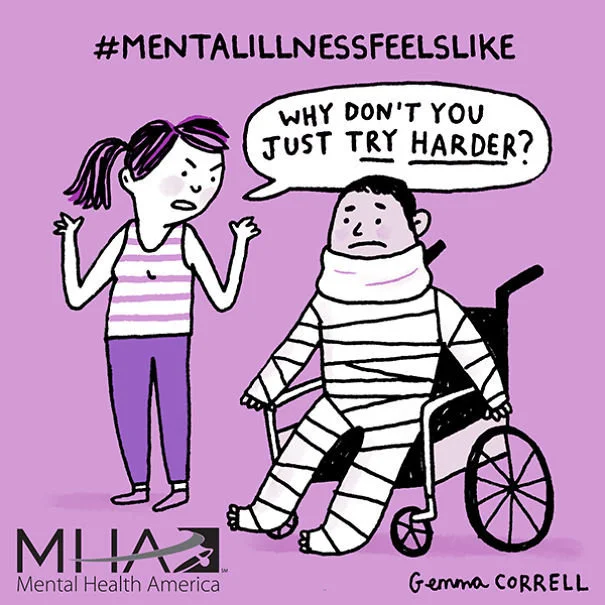
This hopeless situation where people do not see a future for themselves leads to them committing suicide. Suicide due to stress as an idea is at least recognised today. The cause of death could be lack of mental care. Every passing year, the percentage of population recognising this is increasing. It is thanks to awareness that attitudes towards mental health are steadily changing.
Today, it is okay to have conversations on mental health with people. People acquainted with the issue are trying to spread awareness. Making use of digital aids, meetings, educational institutes and other institutes and platforms, they are trying to bring about a change.
They have succeeded to an extent. It is a easier to talk about mental health in the confines of homes. Visit to a mental health specialist is a normal exercise. Yet, there are many who still rubbish claims of mental illnesses.
The stereotypes of the idea of being mentally ill are prevalent. Depression, anxiety, learning disorders are dismissed as crutches used to hide inefficiency. We as a society have taken great strides in normalising the idea of mental health. People are realising that it is as important as physical health.
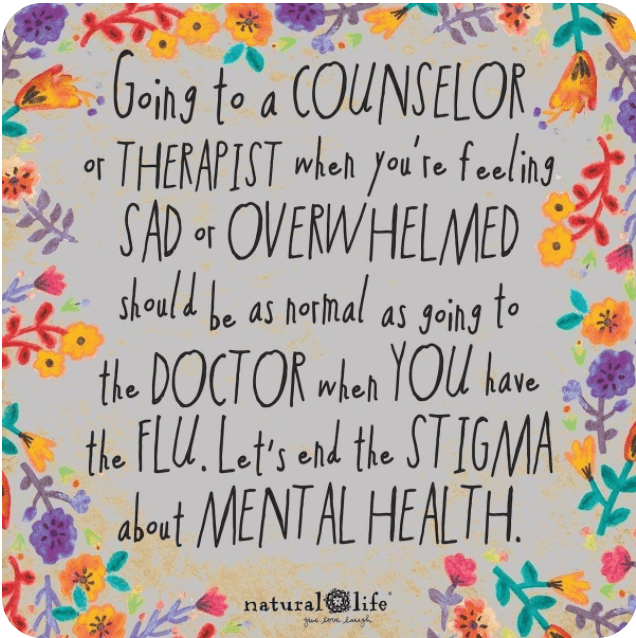
But with changing times and lifestyles, it is imperative and more important to be receptive of mental health. With age barriers coming down for the first experience of consuming alcohol, having sex and consuming drugs, individuals after the experience may not be able to cope with it. With pop culture glamorizing the troika of sex, drugs and alcohol as a cocktail, tackling the issue is a challenge.
The other challenge to tackle is our dependence on technology. We are surrounded by gadgets since from dawn to dusk. They have become an extension of us. So much that people feel incomplete without them on their person. As a result, our existence has shifted from the real world to the virtual world. We seek the validation and the dopamine hit through likes, shares, comments and retweets.
And with ever decreasing age limits on these activities, conversations on mental health are ever more important. So, let’s talk!




 The Critilizers
Leave a comment