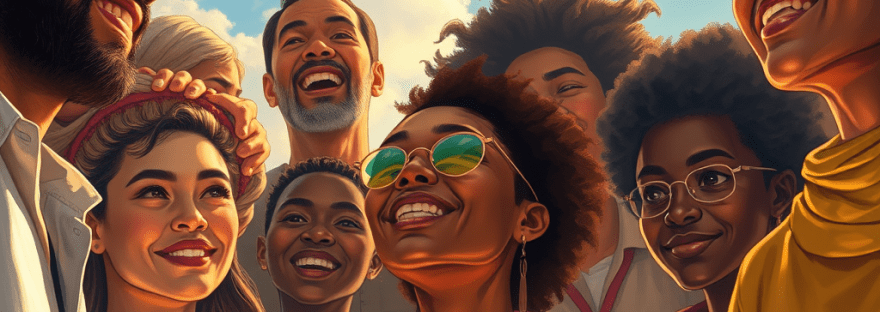
In printed form, the word ‘freedom’ is a representation of an intangible, abstract notion. This universal notion represents a diverse range of thoughts and emotion. It varies for every individual, family, collective and society. Circumstance, lifestyle, aspirations, culture, and geography define and change its meaning.
With an approximate human population of 8.2 billion on Earth, there are currently 8.2 billion meanings for it. Through the course of history, the quest for this intangible notion of freedom has provided hope, inspired individuals, societies and nations, shaped their destinies. Once people and societies achieved their equilibrium of freedom, it has been fiercely safeguarded.
The footprints of freedom are quite visible in the world we live in. Major events in the 20th century and the biggest debates today are about the freedoms enjoyed by the people or of freedoms deprived from them. One of the most defining events of the 20th century – the revolt and uprising in the Indian subcontinent, South East Asia, and Africa against colonialism – was a fight to for the freedom to gain their sovereignty.
The black civil rights movement in America precipitated by the act of civil disobedience by Rosa Parks or the famous ‘I have a dream’ speech sparked hope among the black population to enjoy the same freedom guaranteed to other American citizens. Women in Iran are fighting to retain their freedom of choice to dress up per their choice.
And the biggest battle that is happening across ideological spectrum is their freedom to speech, opinion and thought. Of late, in countries across the world, we have seen individuals targeted for expressing their views. University and college campuses today are not safe havens for ideas. People are busy cancelling each other.
Freedom to articulate your opinion without fear of political correctness and retribution Source: The Walrus
These collective quests for freedom were not universal. They had and continue to have an opposing force expressing their notions of freedoms and rights. At an individual level, people strive for financial freedom, autonomy to take decisions, and lead life on their terms.
As people traverse the journey between the carefree adolescent to responsible adults, realities of life stare at them. It is a time when the individual is moving out shadow of the family. They want to establish their identity, take care of their needs, handle bills and utilities, and be self-sufficient. Also, they carry ambitions, dreams, and goals along with them.
Sometimes, there is a trade-off between goals and freedom, people get accustomed to deal with the hand life dealt them. Their notion of freedom is sometimes tempered by circumstance. Willing to pay the opportunity cost of the trade off, most of these people do lead successful and happy lives.
However, there are a few who want to be a little bit more free. These people are interested in living life on their terms. Willing to go the extra mile to make to turn ambition, thoughts, ideas, goals, and dreams to reality. They are willing to pay the price for it.
Indian cricketer and sportsperson Virat Kohli is an example. To stay at the top of his game and bring joy to billions of people, he transformed his lifestyle. Rigorous training, constantly improving skill and technique to suit the modern day needs of the game, following a strict diet and almost giving on privacy are sacrifices he has made to become what he is today.
A similar sentiment is expressed in the popular Bollywood film – Yeh Jawaani Hai Deewani. In a poignant conversation between, between Ranbir Kapoor’s character Bunny and his step-mom buttresses the point. When Bunny feels guilty for missing the final rites of his father due to circumstance, his stepmom comforts and soothes him.
Paraphrasing the Hindi dialogue – she says, “Bunny you made your happy father happy by living life on your terms. He understood there was always a price to pay for that. He was proud that you had the courage to pay that price.”
I too did pay the price for my freedom. Forced by peer pressure and a lack of information, I made the decision to pursue engineering. I should have understood I was not cut out for it, the way my prep school exams and university entrance exams panned out. Through a stroke of fate, I somehow landed up at an engineering college.
One year into the course, I knew I was not cut out for it. I wanted to make a career in journalism and writing. When the option to change pursue a different course was denied, I devised an ill-thought plan of bunking college. The periods of detentions brought respite and granted temporary freedom; sharing that news at home after the semester was a stressful task. It had an adverse impact on my health.
Luckily the health issue turned out to be a blessing in disguise for me. I got to pursue journalism and found I enjoyed research and public policy. Though I was advancing towards the career path, I still did not find freedom. Fortunately, I was presented with a chance to discover my notion of freedom in January this year.
I found it on the roads of Pune. To quote Werner Herzog:
The world reveals itself to those who travel on foot.
I was traveling on foot to find lunch during a break at the Pune Public Policy Festival. Walking down on the footpath towards the restaurant I selected, the world revealed itself to me. That walk defined my notion of freedom. I felt calm and in harmony with the environment around me. There was no rush to meet deadlines or hurry to a location. I was spending time with myself and trying to understand the world around me.
When I found my freedom, it brought enlightenment along with it. The 10-minute walk led me to the insight – I wanted to travel and understand the world. It is a requirement to devise the right policy solutions and instruments to solve universal issues that present different complexities in different geographies. Also, it sat right with my interest to become a acclaimed policy expert and to explore the food history of India. For me to do so, I need to embrace my notion and travel more on foot.
I found my notion on freedom on a serene road in Pune. Where will you find yours?
Discover more from The Critilizers
Subscribe to get the latest posts sent to your email.
Journalist and online content writer. I am a former news producer with the NewsX and have had various research stints. I hold a Masters in Public Administration and a Bachelors in Mass Communication with a major in journalism. My interests lie in qualitative public policy research and analysis in urban governance and international relations. I use my blog Critilizers and the newsletter Set Up Circular Cities. When I am not discussing policy and current affairs, I indulge my love for food, travel, and cricket.
View all posts by iamvhardik


 The Critilizers