
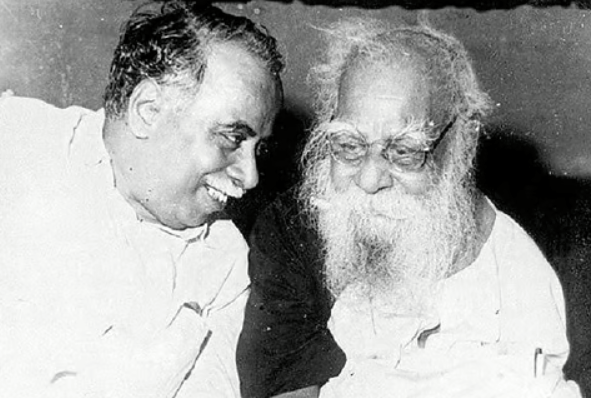
 Mona: Dude, you’re really making the most of the ambience I created. You’re kicked back, watching a movie with a hookah in hand. But why are you watching such an old film? And what language is it in? Is it some kind of classic?
 Teja: It’s a Tamil movie called Nallathambi, written by Annadurai, a prominent leader and the founder of DMK. I’m watching it because it’s packed with dialogues—both direct and subtle—about Dravidian ideology.
Mona: Ah, using cinema as a tool to promote ideology—interesting! Teja, why don’t you make a movie with me in the lead? I’ll deliver powerful lines about social change and reform. That way I’ll get the attention I need to launch my political career.
Teja: Mona, I neither have the muscle nor the money to fulfill all your wild dreams. And honestly, I lack the courage to invest money on you! Those leaders were not only politically sharp but also highly educated. Their writings naturally found their way into cinema. Of course, the scene today is quite different. But yes, many Tamil Nadu politicians have a deep connection with the film industry. I’ve already walked you through the origins of the Justice Party and its founders. Now I’ll continue by exploring its evolution through key figures like C.N. Annadurai—Perarignar Anna—and Karunanidhi.
Mona: And those personalities had deep ties with cinema too! That makes it even more fascinating. Please go on.
Teja: I’ll start with Annadurai, and along the way, I’ll also update you on Justice Party developments.
Mona: Whoa, a parallel screenplay, Teja! Looks like you’re slowly turning into a director—hahaha!
Teja: Let me introduce you to Annadurai.
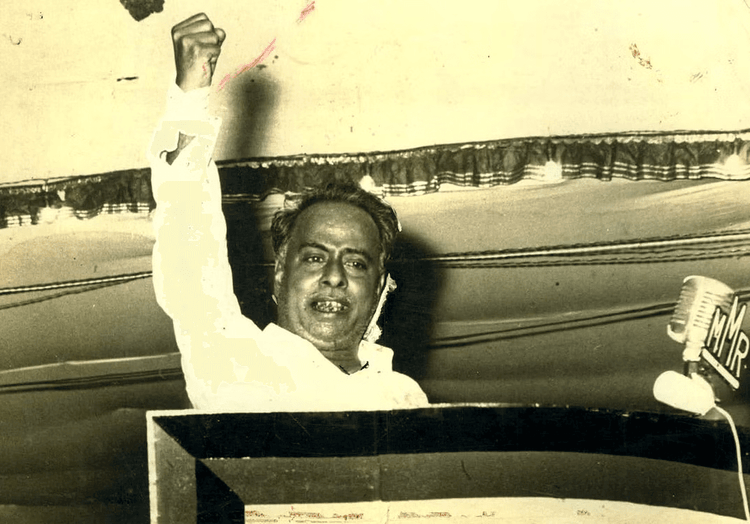
C.N. Annadurai (fondly known as Perarignar Anna): He was a prolific writer whose plays were later adapted into films. He’s the founder of the DMK party and also served as its first General Secretary.
He was born into a Tamil Sengunthar family—traditionally merchants and silk weavers. In Andhra, this community is referred to as Karikala Bhaktulu, and they often trace their lineage back to the Chola dynasty. After completing his post-graduation in economics and politics, he briefly worked as an English lecturer at the same college, before moving into journalism.
In 1935, he joined the Justice Party (S.I.L.F)—a political outfit representing the non-Brahmin elites. The Justice Party held power in the Madras Presidency from 1920 to 1937.
Mona: Oh, so the Justice Party must’ve been super popular in the Madras Presidency since they were mostly in power during that time?
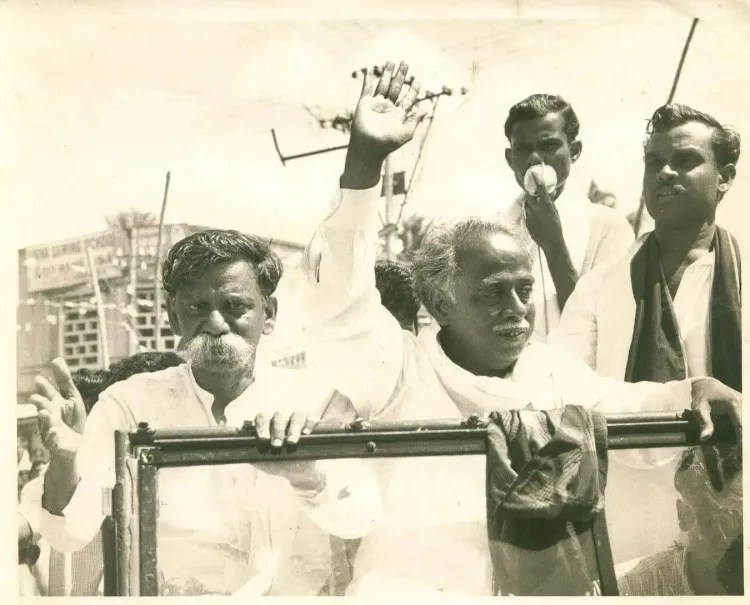
Teja: Well, Congress was also quite popular—but here’s the thing: the Congress Party usually didn’t contest elections during that period. Instead, a breakaway group from Congress—the Swaraj Party—along with some other parties, took part in the electoral process. Congress, at that time, was focused on the freedom struggle and didn’t support the Montagu-Chelmsford Reforms (remember we discussed that earlier).
Even the Swarajists only contested elections with the intent to challenge British policies, protect Indian interests, and disrupt the legislative process as a form of resistance. On the other hand, the Justice Party wasn’t fighting the British per se—it was more about representing non-Brahmin interests.
It wasn’t until 1937 that Congress finally jumped into the electoral fray—and boom, the Justice Party lost.
Mona: So basically, you’re saying the Justice Party’s political winning streak was thanks to the absence of any serious competition?
Teja: That could definitely be one of the key reasons for the Justice Party’s early victories—Congress was popular too, and after the death of Raja of Panagal there is also lack of efficient leadership. However, where the Justice Party truly left its mark was in laying the groundwork for the Non-Brahmin movement and promoting Dravidian ideology. Literature, pop culture, and cinema were their primary tools of influence.
Now, coming back to Annadurai—he wasn’t just into plays and movies. He also wrote novels like Velaikari, Iravu, and films like Nallathambi and Rangoon Radha, all loaded with strong Dravidian messaging. His book Arya Mayai—well, the title itself screams anti-Aryan (read: anti-Brahminical dominance). He even had his own journal called Dravida Nadu.
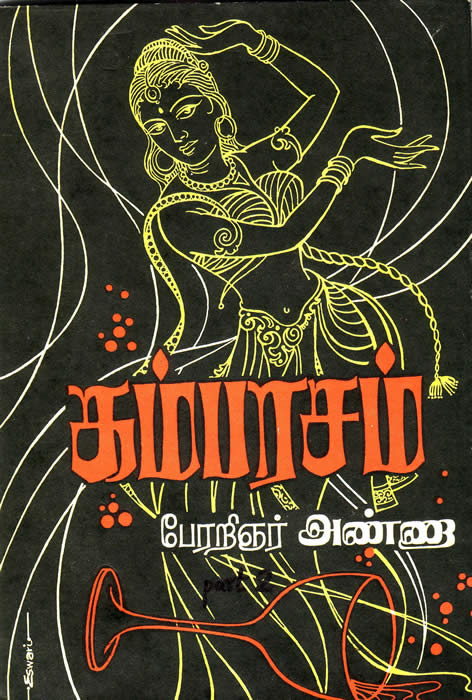
His work Kambarasam is a critique of the Tamil Ramayana. As I mentioned earlier, Dravidian thinkers often interpret Lord Ram as symbolic of Aryan (Brahminical) power. In fact, some go so far as to claim Ravana as their own icon. It’s not unusual in Tamil Nadu to come across names like Raavan and Indrajit. (Even that UP politician who claims to represent the Bahujans—Dalits and OBCs—calls himself Raavan). But hey, let’s park the literary angle for now—we’ll dive into that drama later.
Mona: Wow, so maybe the whole anti-hero trend started with them! I can even recall scenes like the one in Kaala (that Rajinikanth movie)—remember the climax where Ram’s attack on Ravana is narrated in the background while the villain attacks the hero?
Back to Annadurai—you said he joined the Justice Party in 1935, but the party lost to Congress in 1937. So, what did he and the party do after that?
Teja: What any good opposition would do—find issues, raise protests, and keep the ruling party in check. You might’ve heard about the ongoing debates on Hindi imposition in the South. Well, this issue predates independence.
In 1938, the Congress-led government under C. Rajagopalachari (a staunch Gandhian) tried to make Hindi compulsory in schools. The move wasn’t well-received by Justice Party leaders and Tamil intellectuals. Annadurai actively joined these protests, and guess what? They actually succeeded—the Madras Presidency government had to roll back the order.
Mona: Oh right! You’d mentioned earlier about the Sanskrit vs. Non-Sanskrit divide too. It’s all falling into place now. So just like Sanskrit is seen as a symbol of Brahminical and North Indian dominance, Hindi is viewed by Tamil leaders as a tool to suppress regional identity.
And during this period, Periyar was going full throttle with his campaigns, right?
Teja: You’re actually doing your homework—impressive! Yes, Periyar was very much active during that time. In 1925, he launched the Self-Respect Movement, which mainly focused on social reform and building a sense of confidence and dignity among the Non-Brahmin castes. Meanwhile, the Justice Party was in power.
After the Justice Party’s defeat in the 1937 elections, Periyar decided to combine the Self-Respect Movement and the Justice Party under a new banner: Dravidar Kazhagam.
Mona: But Justice Party sounds like a solid name—it had already performed well in earlier elections and had an established base. Why the need for a rebranding and fresh identity?
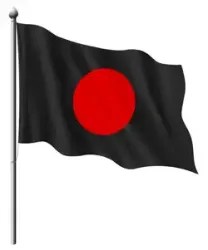
Teja: Well, even though the Justice Party started out advocating for the rights of Non-Brahmins and Dalits, over time, the focus shifted heavily towards the dominant Non-Brahmin castes. The Dalit cause got sidelined. A lot of the leaders who joined the party were actually wealthy landlords—Zamindars—from dominant Non-Brahmin castes(for example Raja of Bobbili is Known for his Autocratic rule). Many of them were more interested in protecting their property and privileges than real reform.
Because of this, the party started gaining a reputation as a group serving elite interests. Periyar didn’t want that image sticking around. So, when he took over leadership, he rebranded the party as Dravidar Kazhagam and merged the Self-Respect Movement into it.
Also, apart from a few early members, most Justice Party leaders didn’t really focus on labor rights, peasants’ issues, or grassroots struggles. So the party couldn’t really align with the communists either.
On top of that, the Justice Party didn’t support the national freedom movement. It stayed away from both the Home Rule Movement and the Non-Cooperation Movement, which led to it being seen as pro-British.
Mona: So you’re basically saying the image of the Justice Party was in decline. Did Annadurai also join this new Dravidar Kazhagam?
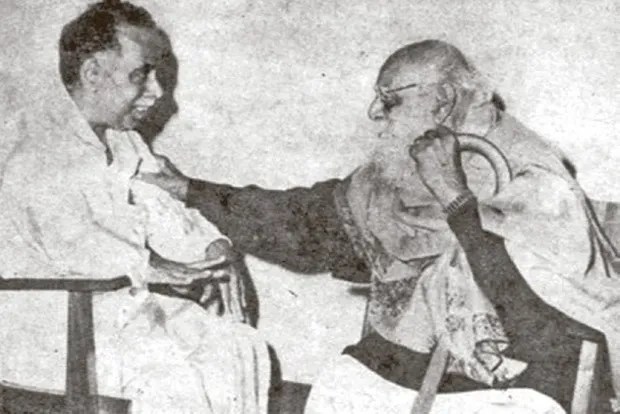
Teja: Yes, Annadurai did join the Dravidar Kazhagam movement. He was a devoted follower of Periyar and deeply influenced by his ideology. Most of his literary works revolve around promoting his version of Dravidian thought. He also contributed articles to Kudi Arasu, which was Periyar’s journal.
Given Periyar’s radical stance, Dravidar Kazhagam also adopted an extreme approach. There were instances during the temple entry movements where Adi Dravidas were taken into the inner sanctum (Garbha Griha) and priests were pressured to chant hymns in Tamil instead of Sanskrit. It’s also believed that Periyar opposed idolatry and was even involved in idol destruction. Every now and then, DMK-related temple issues crop up in the news—take the recent Chidambaram temple controversy, for example. These are all connected threads.
Mona: So all these controversies we keep hearing about aren’t exactly new—they’ve been part of a much longer history. That makes things a lot clearer now.
Teja: Exactly! And beyond social reform, Periyar, through Dravidar Kazhagam, strongly advocated for the formation of a separate Dravidian nation—Dravida Nadu. Annadurai was also an active supporter of this demand. In fact, he even had a journal titled Dravida Nadu.
Eventually, in 1948, Annadurai broke away from Periyar and founded the DMK (Dravida Munnetra Kazhagam).
Mona: But you just said Annadurai was a staunch follower of Periyar and his ideology. What caused the split?
Teja: Good question. Periyar believed that India’s 1947 Independence shouldn’t be celebrated. He saw it merely as a transfer of power from the British to the Brahmins, Kshatriyas, and Baniyas. (Congress was often criticized back then as being a Brahmin-dominated party.)
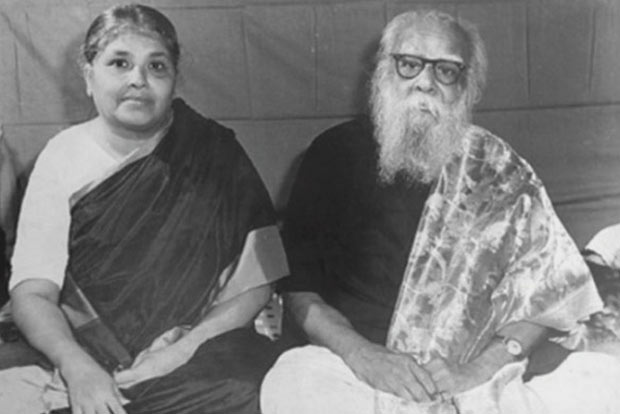
And then there was the whole controversy around Periyar marrying Maniammai, who was much younger than him.
Annadurai disagreed with both these actions. He believed that Non-Brahmins had played a significant role in the freedom struggle and that their contributions deserved to be celebrated. These ideological and personal differences eventually led to the rift between the two.
Mona: But why did Periyar marrying a much younger woman become a reason for the rift? Isn’t that more of a personal matter?
Teja: Well, it’s believed that many party members weren’t okay with a woman taking over the party after Periyar. So, to ensure she could succeed him, Periyar married her and declared her his legal heir. This didn’t sit well with many in the party.
(Ironic, isn’t it? Dravidar Kazhagam and its members are highly critical of Brahminical patriarchy, and yet—allegedly—they weren’t open to a woman leader themselves.)
Mona: See! No one cares about women. Now you understand how hard it is to be a woman in this world. That’s exactly why I want to break the glass ceiling!
Teja: Okay, okay, calm down! We’ll break not just the glass ceiling—we’ll smash any ceiling we come across. But please, tell me how exactly you’re disadvantaged? You have everything, and you don’t even take a single responsibility! Let’s stick to the topic—we’ll smash ceilings later.
Mona: You always mock me, Teja. If you do it one more time, I’ll break your bones along with the ceiling! Now continue the topic.
Teja: Chill, I was just saying—these days everyone keeps talking about being disadvantaged without actually knowing the background. Anyway, after the split, Annadurai founded the DMK, which initially had an urban voter base but gradually expanded across different sections of society.
Mona: So, apart from the differences you mentioned earlier, do DK and DMK share the same ideological foundation?
Teja: Yes, they do. Both DK and DMK follow a similar ideology. In fact, even Annadurai, in 1952, pushed for the demand of a separate Dravidian nation. Around that same time, there were widespread demands for the formation of linguistic states—Andhra, for example, was demanding separate statehood, whereas DMK was demanding an entirely separate nation.
Mona: OMG! Are you saying this was a kind of secessionist movement? If I’m not mistaken, India had just gone through a partition around that time!
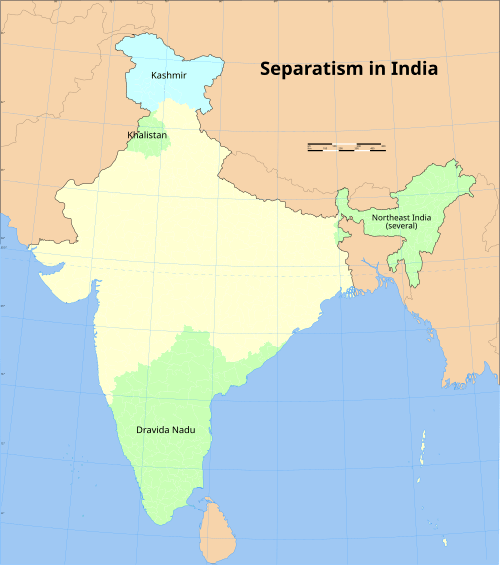
Teja: Yeah, it was somewhat of a secessionist movement. I already mentioned how their ideology was built. The demand for Pakistan, and the events like Direct Action Day, were more explicit and violent in nature. In contrast, the demand for a Dravidian nation wasn’t violent—they promoted their agenda through literature, protests, and other non-violent means.
And this wasn’t the only internal challenge India was facing—there was the Khalistan demand from the Sikhs, and the North-East region had its own insurgencies. But the Dravidian movement stood out because it successfully spread its ideology.
Unlike other secessionist movements where you could pinpoint the fundamentalist ,extremist group or specific cause behind it, the Dravidian movement was layered—it involved culture, politics, language, ethnicity, and more.
Mona: So basically, the newly formed Indian state was already dealing with serious internal challenges, and the Dravidian nation demand was one of them. Since both DK and DMK were pushing for a separate nation, what happened with Annadurai and the DMK then?
Teja: In its early days, Annadurai and his party, the DMK, led three major protests. These movements not only helped the party expand its reach beyond urban centers but also strengthened its grassroots support.
The first protest was against then Prime Minister Jawaharlal Nehru. At that time, the demand for the linguistic reorganization of states was gaining momentum, and the DMK, as a regional party, was actively promoting Tamil literature and Tamil pride. Tamil enthusiasts even removed Hindi names from railway station boards. Nehru dismissed this as “childish nonsense.”
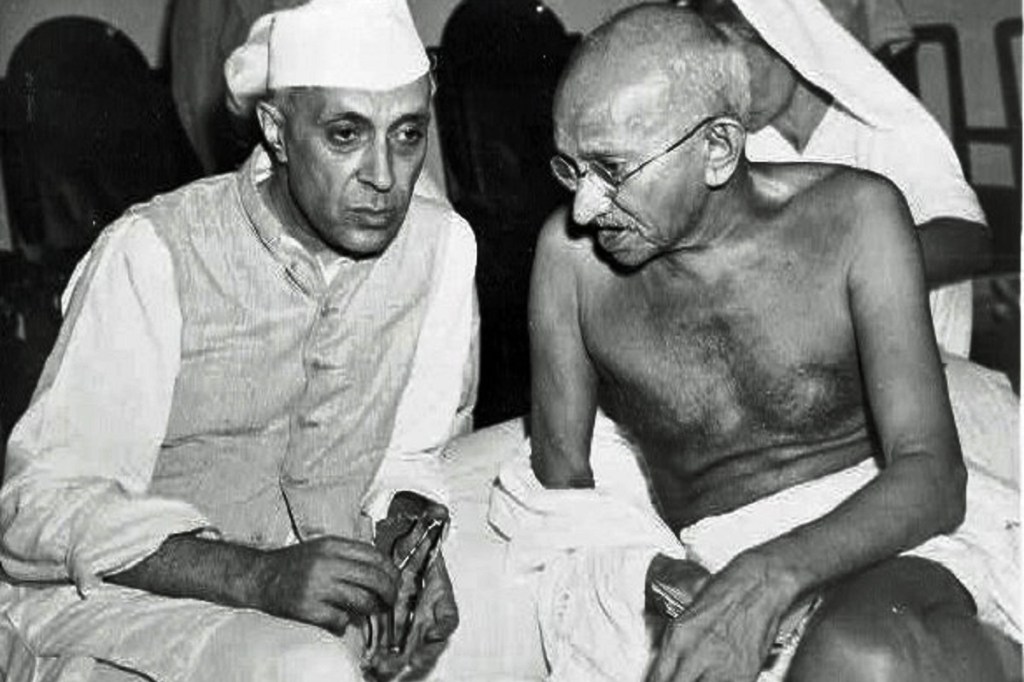
Mona: Uh-oh… Looks like Pandit Nehru hit the wrong nerve!
Teja: Exactly! That sparked a wave of protests. Tamil people generally don’t have Sanskrit names like Advait, Pavan, etc. They usually go with Tamil names like Selvan, Murugan, or even Buddhist names that reflect their cultural roots. In fact, even though Tamil Nadu is a major hub for classical arts like Bharatanatyam and Carnatic music, there has been a consistent effort at the popular level to remove Sanskrit influence from the Tamil language.
Mona: Interesting. So, what were the other two protests?
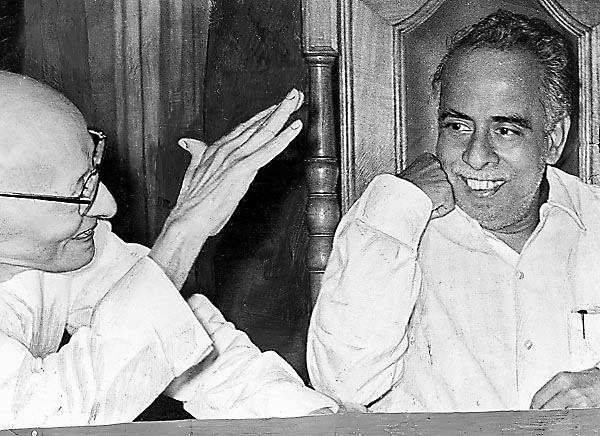
Teja: The second one was more political. When Rajagopalachari’s government tried to implement an education policy called Kula Kalvi Thittam, which focused on vocational training, DMK opposed it. As a Gandhian, Rajaji wanted to promote skill-based education—strengthening traditional occupations like goldsmithing, weaving, carpentry, pottery, etc.—with a focus on the communities historically associated with those skills. It was somewhat like the modern Skill India Mission, but smaller in scope and locally focused.
DMK and Annadurai protested this policy, arguing that it reinforced the caste system under the guise of education.
The third protest was against renaming the town Kallakkudi as Dalmiyapuram (yes, named after the Dalmia Cement guy). DMK saw this as an attempt to impose North Indian nomenclature on Tamil soil.
Mona: Did they continue demanding Dravida Nadu even after India became independent? How did that play out?
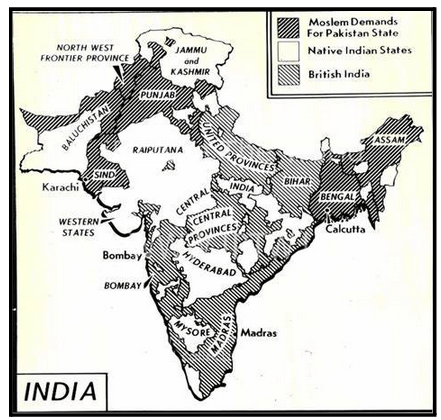
Teja: The States Reorganisation Act was passed in 1956, and India was restructured into states based on language—like Andhra for Telugu speakers, Tamil Nadu for Tamils, Karnataka for Kannada speakers, and so on. Even till 1962, Annadurai raised the demand for a separate Dravidian Nation and the Dravidians’ right to self-determination in the Rajya Sabha.
However, after the reorganization, the demand for a united Dravidian nation began to fade. But Annadurai and the DMK still pushed for a separate Tamil nation. (This is actually connected to why DMK and its followers are often sympathetic toward the LTTE—a militant group in Sri Lanka. We’ll talk about that when we get to Karunanidhi.)
Mona: So, how did the Central government handle all this?
Teja: They passed the 16th Constitutional Amendment—also known as the Anti-Secessionist Amendment. It was introduced specifically in response to the rising Dravidian demands. That forced the DMK to drop its call for secession, and the movement gradually lost steam.
Mona: I seriously underestimated the Dravidian movement. Now that I’m connecting the dots, I see why it’s so crucial to focus on what unites us rather than what divides us—those divisions could become real threats to national sovereignty.
Teja: Wow, I really didn’t think you had it in you. As much as it hurts to admit and appreciate … I actually liked that statement. That one in particular.
Mona: You always underestimate me! From what you’ve said, it’s clear that when political or ideological divisions are taken to the extreme, they lead to secessionist movements. Instead, shouldn’t leaders focus on unifying factors?
Teja: In an ideal world, what you said makes total sense. But imagine this—you don’t speak a word of any South Indian language, and suddenly you’re expected to learn Hindi and speak it fluently like a local. Not everyone can easily pick up a new language, especially people in rural areas.
For practical reasons, English and Hindi were both being used for official purposes. But then in the 1960s, if the central government suddenly decides that only Hindi will be used officially, how do you expect the common man to react? Naturally, the people—and the leaders representing them—will resist. That’s exactly what happened in Tamil Nadu.
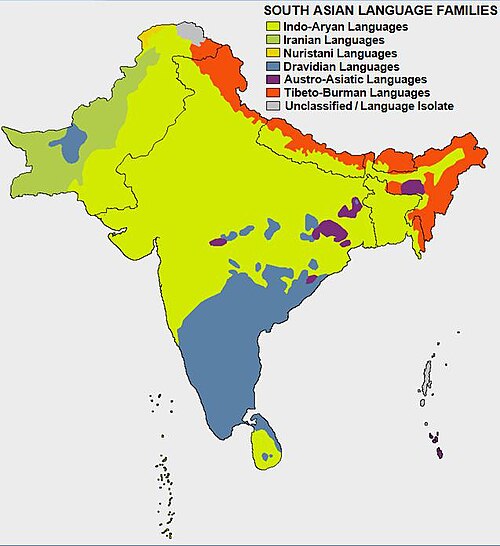
Mona: Ohhh I get it. So they felt their language and culture were being dismissed. People genuinely tried to resist, and regional parties came up to support their cause.
Teja: Exactly! And when Hindi supporters argued that since more people speak Hindi, it should not only be used officially but also declared the National Language, Annadurai famously responded, “If that’s the case, then the crow should be made the National Animal instead of the peacock—because there are more crows!”
Mona: Haha! That’s such a solid comeback. But wait—just to be clear—is Hindi our National Language?
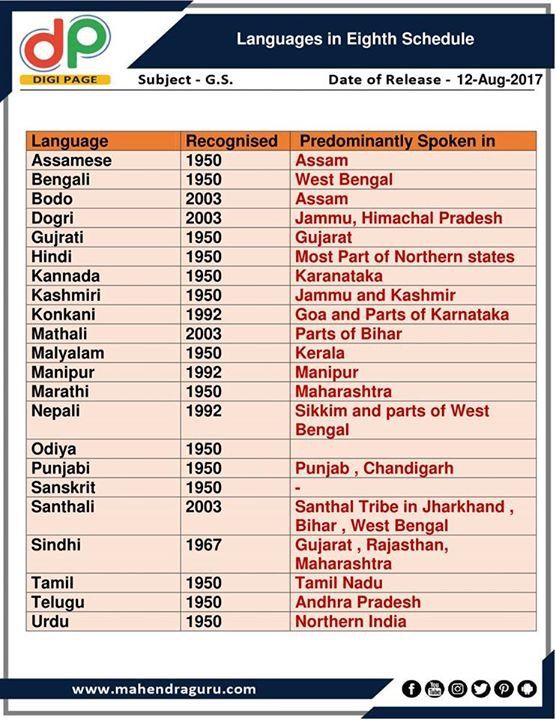
Teja: Nope. Hindi and English are the official languages at the central level. And there are 22 official languages listed under the Eighth Schedule of the Indian Constitution. Depending on the state, one of these languages is used for official purposes within that state.
Mona: Got it! So basically, Annadurai laid the foundation of the DMK party in opposition to Congress and other dominant parties of that era. And after 1937, the Justice Party was restructured as DK, from which DMK eventually emerged.
Teja: Next, let’s dive into politics through the lens of Karunanidhi. Have you watched Mani Ratnam’s movie Iruvar—the one with Mohanlal, Aishwarya Rai, and Prakash Raj? If not, please do! It’s loosely based on Karunanidhi, MGR, and others. Once you’ve seen it, we can chat more about Karunanidhi and the political developments that followed. We’ll also cover many iconic personalities and events—most of them have movie connections!
Mona: Alright, Teja. I’ll take a break, watch Iruvar, and get back to you soon!
 The Critilizers
Leave a comment